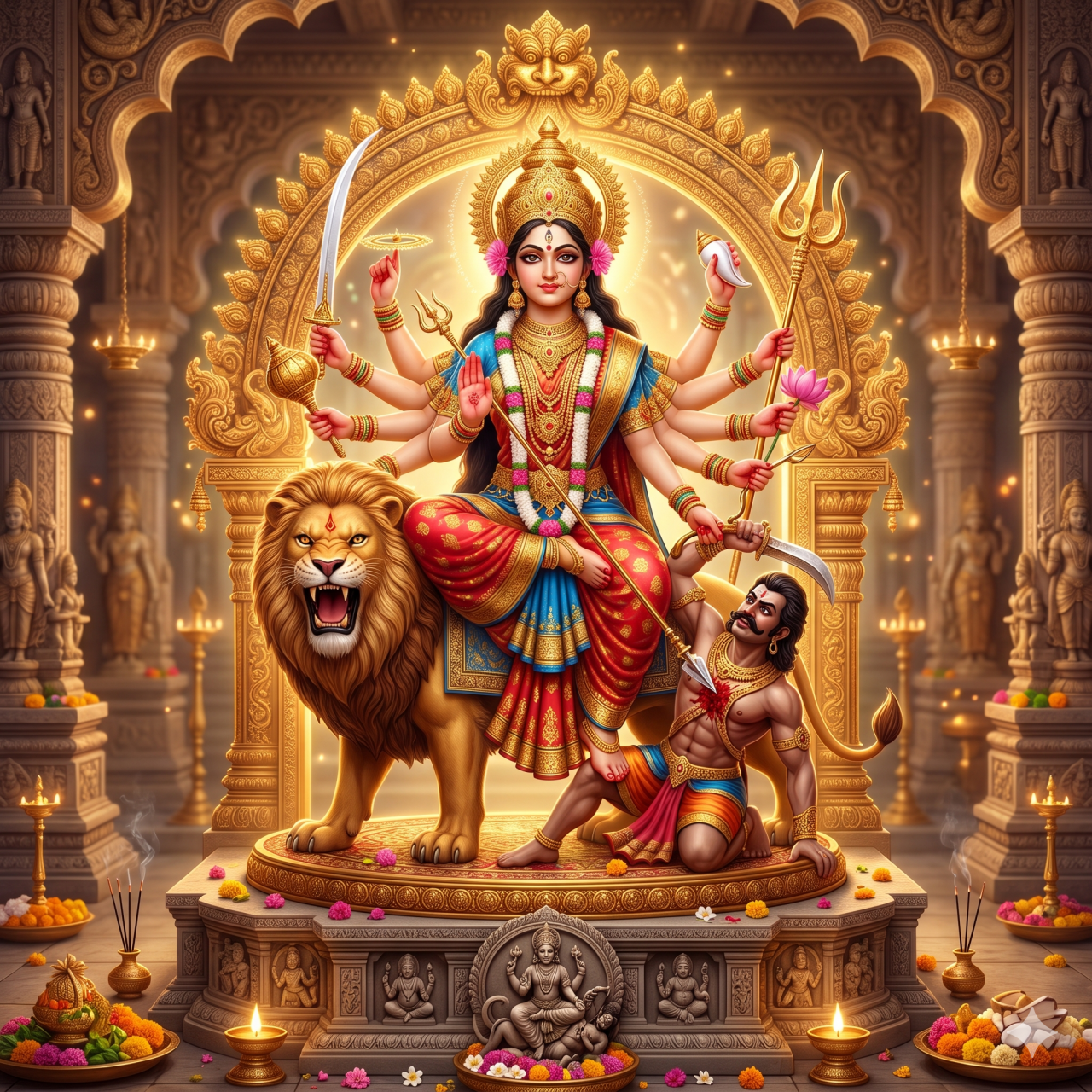
Durga is traditionally portrayed as a radiant woman riding a lion or tiger and carrying several weapons in her many hands. Each weapon is believed to have been given to her by a different deity and represents a particular divine power. Her peaceful and confident expression, even while engaged in battle, symbolizes inner balance, wisdom, determination, and self-control. Thus, Durga is not only a warrior goddess but also an embodiment of grace, compassion, and intelligence.
Durga is traditionally portrayed as a radiant woman riding a lion or tiger and carrying several weapons in her many hands. Each weapon is believed to have been given to her by a different deity and represents a particular divine power. Her peaceful and confident expression, even while engaged in battle, symbolizes inner balance, wisdom, determination, and self-control. Thus, Durga is not only a warrior goddess but also an embodiment of grace, compassion, and intelligence.
In everyday human life, Goddess Durga serves as an inspiration for resilience and courage. She represents the inner Shakti, or divine strength, present within every individual. Her story encourages people to face difficulties with confidence, dignity, and perseverance. It reminds us that challenges are an unavoidable part of life, but they can be overcome through determination, clarity of purpose, and moral strength. Durga also teaches that true strength is not limited to physical power; it includes emotional resilience and spiritual courage.
The qualities represented by Durga are equally meaningful in professional life. Her ability to confront injustice and restore harmony reflects strong leadership. Her battle with Mahishasura also symbolizes strategic thinking, patience, and the intelligent use of resources rather than dependence on physical force alone. These qualities are valuable in modern workplaces, where effective leadership often requires thoughtful decision-making, adaptability, ethical judgment, and the courage to address difficult situations.
Durga is also a powerful symbol of women's empowerment. She challenges the idea that strength and compassion are opposites by representing both qualities simultaneously. She is nurturing yet independent, compassionate yet fearless, and graceful yet powerful. This balance offers an important lesson for modern society and workplaces: empathy and assertiveness can coexist. By embracing both, individuals can contribute to healthier, more inclusive, and more respectful environments.
The festival of Navratri further highlights the significance of Goddess Durga. During the nine nights of celebration, devotees worship her different forms, each associated with distinct qualities such as courage, discipline, knowledge, devotion, and prosperity. The progression through these forms can also be viewed as a journey of personal development. It encourages people to reflect on their own lives, recognize their weaknesses, strengthen their positive qualities, and continually work toward becoming better versions of themselves.
The relevance of Goddess Durga extends beyond mythology and religious tradition into everyday life. The demons she defeats can be understood symbolically as the negative forces within us—fear, doubt, anger, ignorance, and insecurity. Just as Durga overcomes external evil, she inspires individuals to confront and overcome their own inner struggles. Her story therefore becomes a powerful metaphor for personal transformation, resilience, and growth.
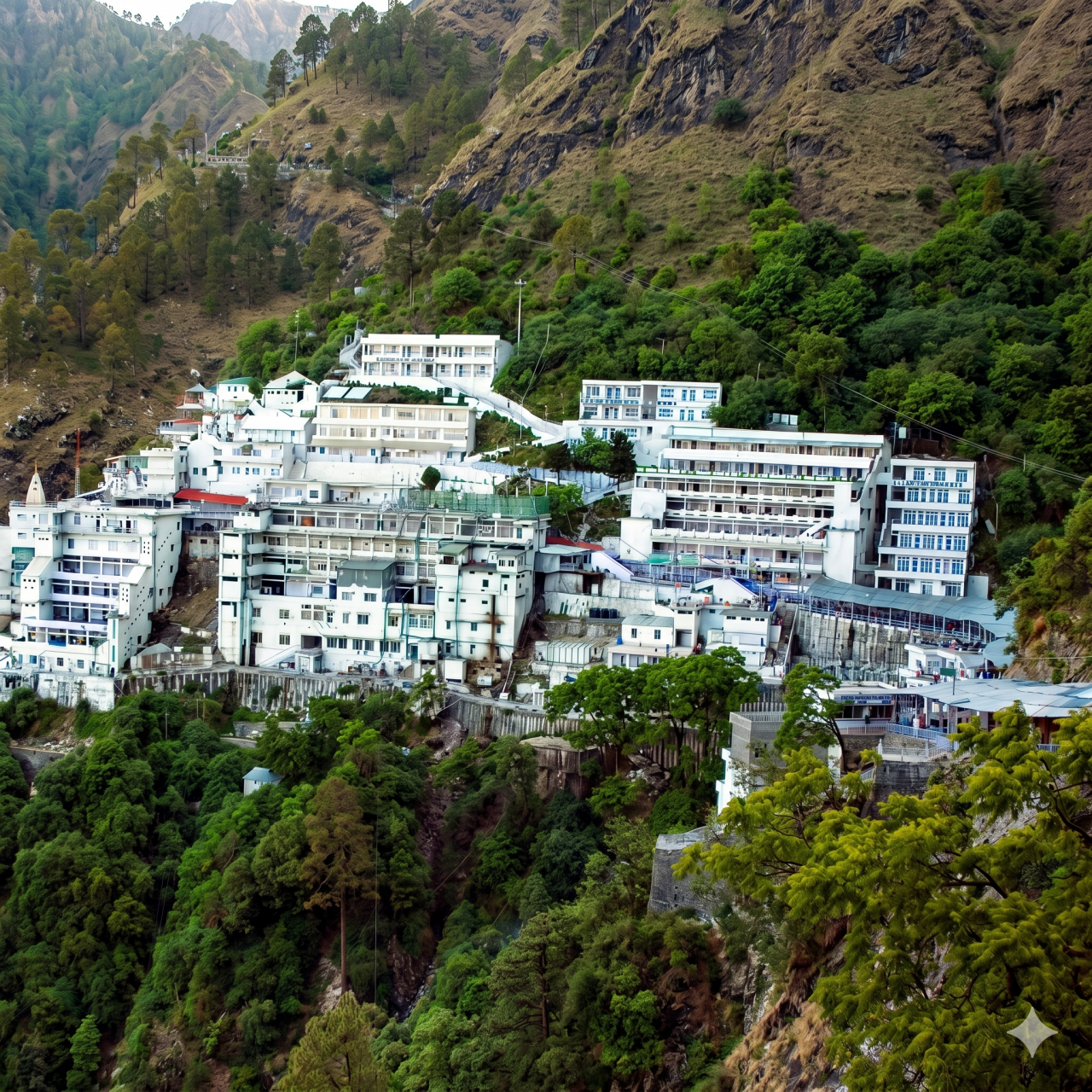
Vaishno Devi Temple is a revered Hindu pilgrimage site located near Katra in the Trikuta Mountains of Jammu and Kashmir, India. Dedicated to the goddess Vaishno Devi, a manifestation of the Mother Goddess Durga, it draws millions of devotees each year who trek to the sacred cave to seek blessings.
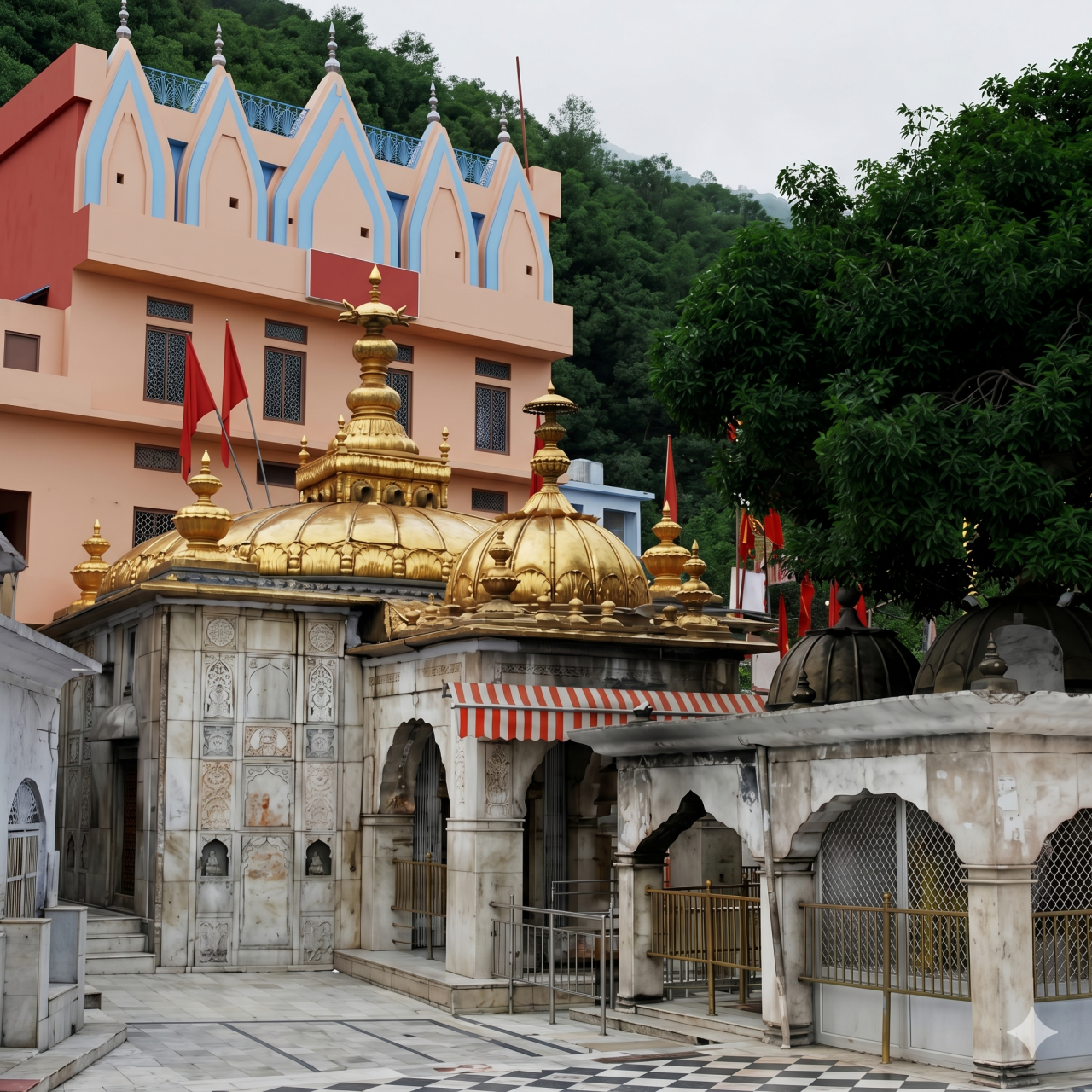
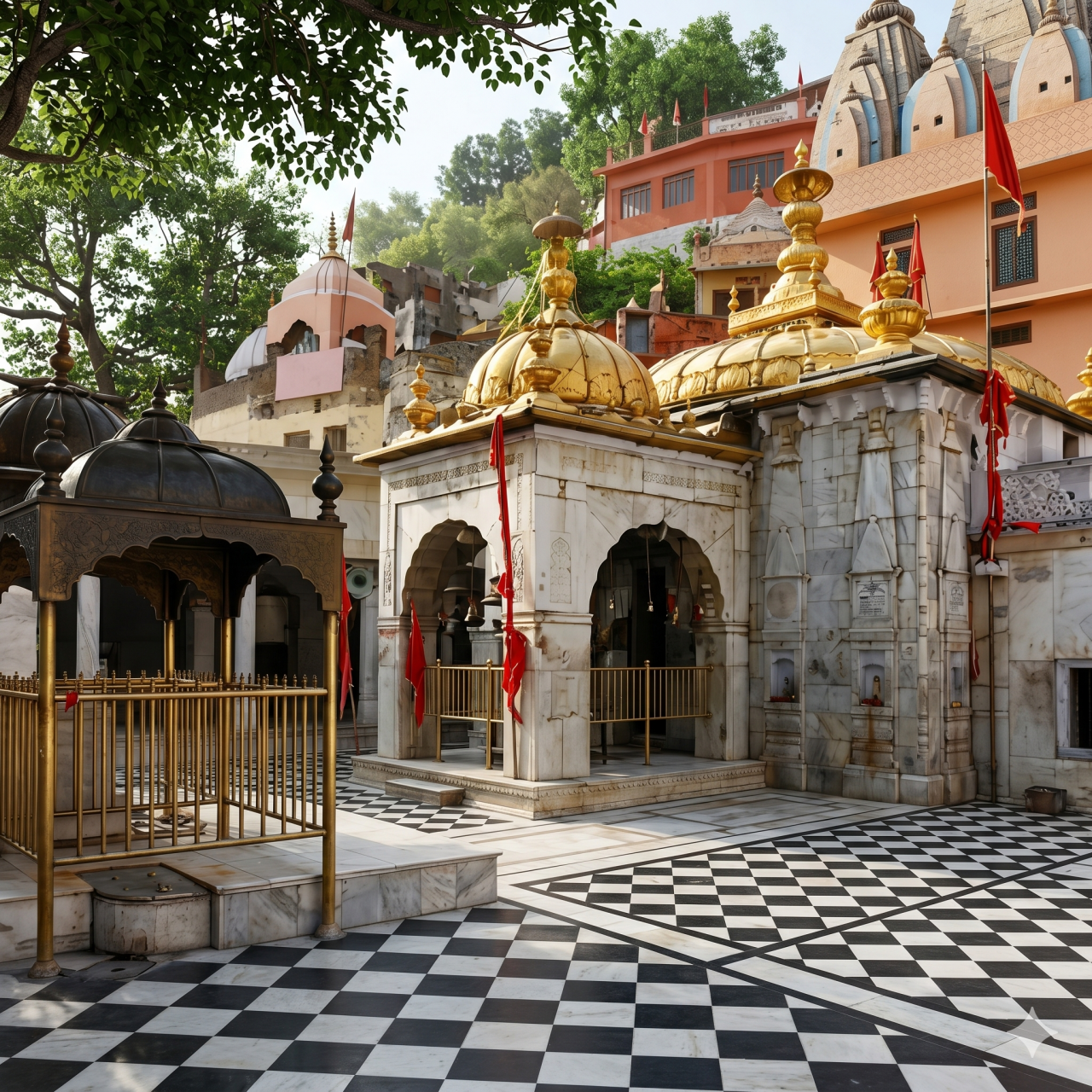
The Jwala Ji Temple, located in the Kangra district of Himachal Pradesh, India, is a revered Hindu pilgrimage site dedicated to the goddess Jwala Devi, an incarnation of Adi Shakti. The temple is renowned for its continuously burning natural flames, believed to symbolize the goddess’s eternal presence.
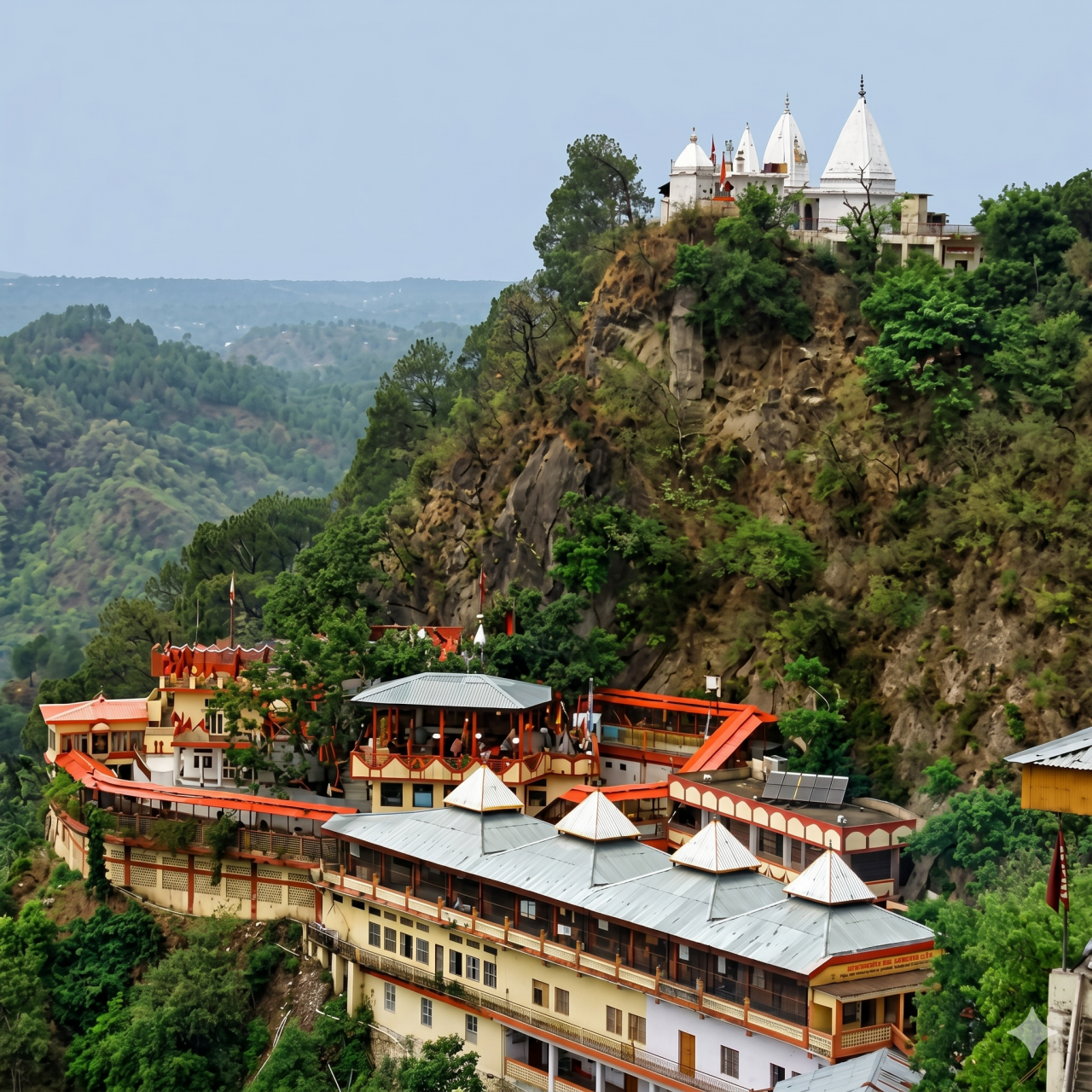
Chintpurni Temple is a revered Hindu pilgrimage site located in the Una district of Himachal Pradesh, India. Dedicated to Goddess Chintpurni, an incarnation of Chhinnamasta Devi, it is one of the major Shakti Peethas and attracts devotees seeking relief from worries (“chinta”) and fulfillment of wishes.
Naina Devi Temple, located in Bilaspur district of Himachal Pradesh, India, is one of the most revered Shakti Peethas in the country. Dedicated to Goddess Naina Devi, a manifestation of Durga, it is believed to be the site where the eyes of Goddess Sati fell, giving the temple its name. The shrine is a major center of pilgrimage, attracting millions of devotees annually.
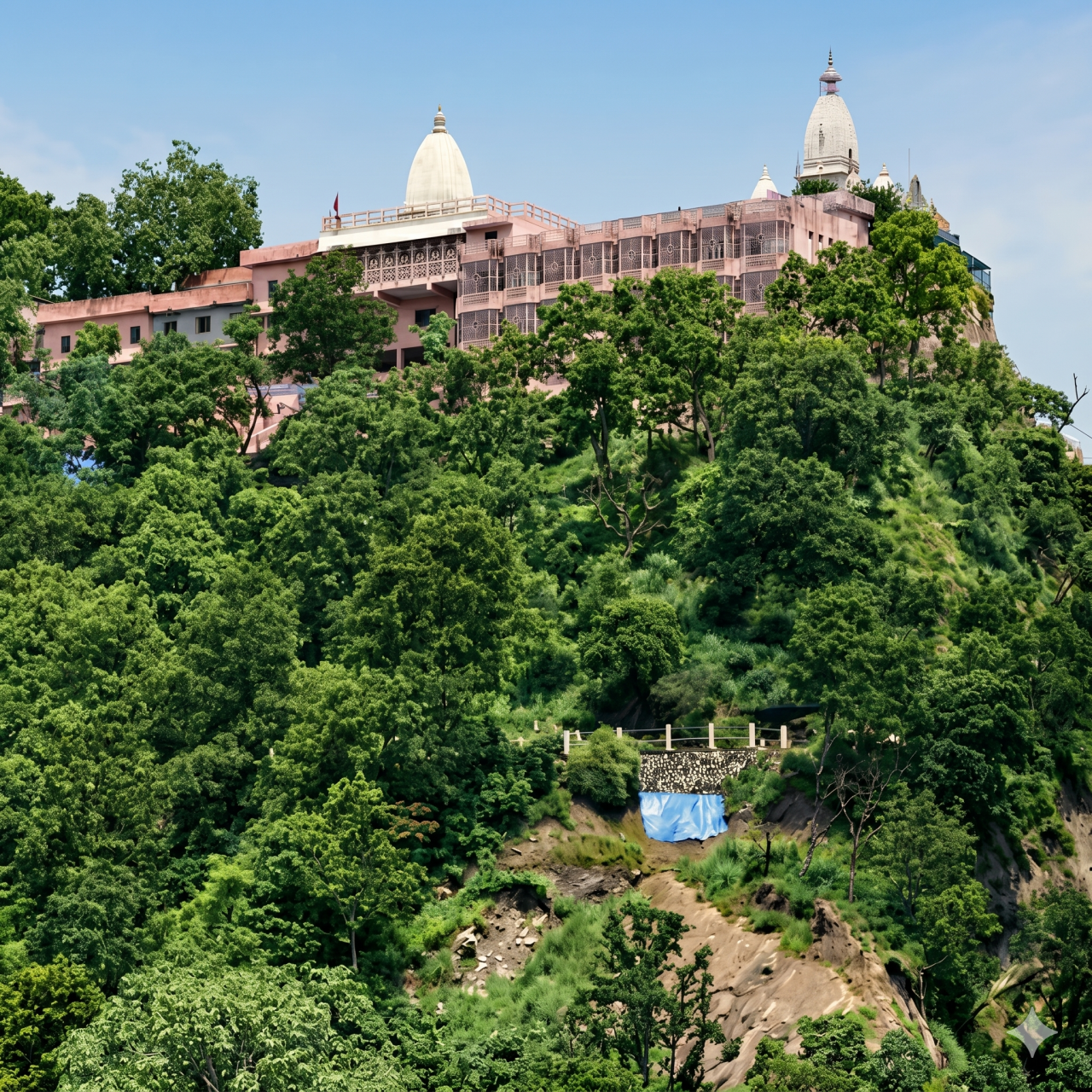
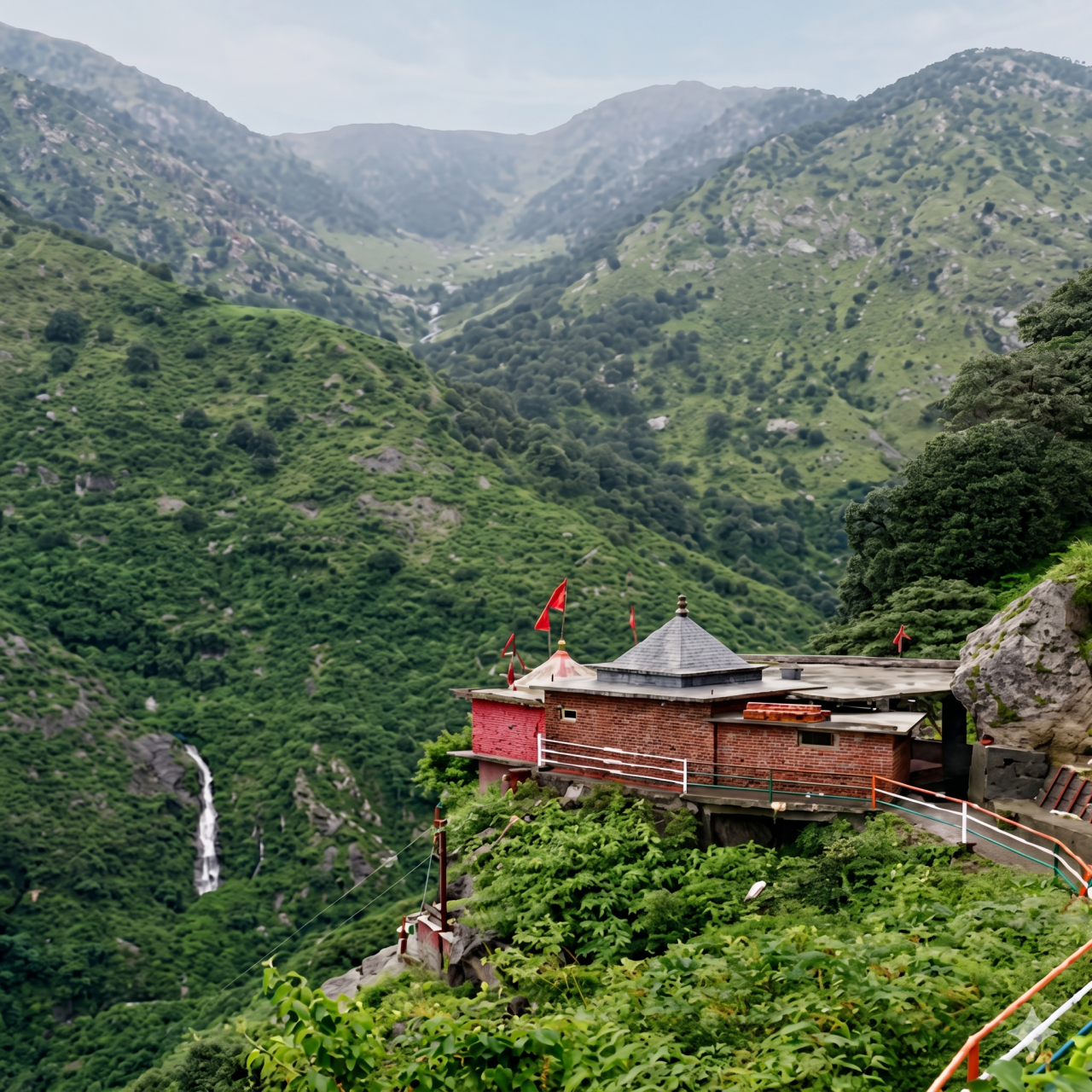
Mansa Devi Temple is a revered Hindu pilgrimage site located on Bilwa Parvat in the Shivalik Hills of Haridwar, Uttarakhand, India. Dedicated to Goddess Mansa Devi—believed to fulfill devotees’ wishes—it is one of the most prominent temples in Haridwar and part of the “Panch Tirth” (five pilgrimages) of the city.
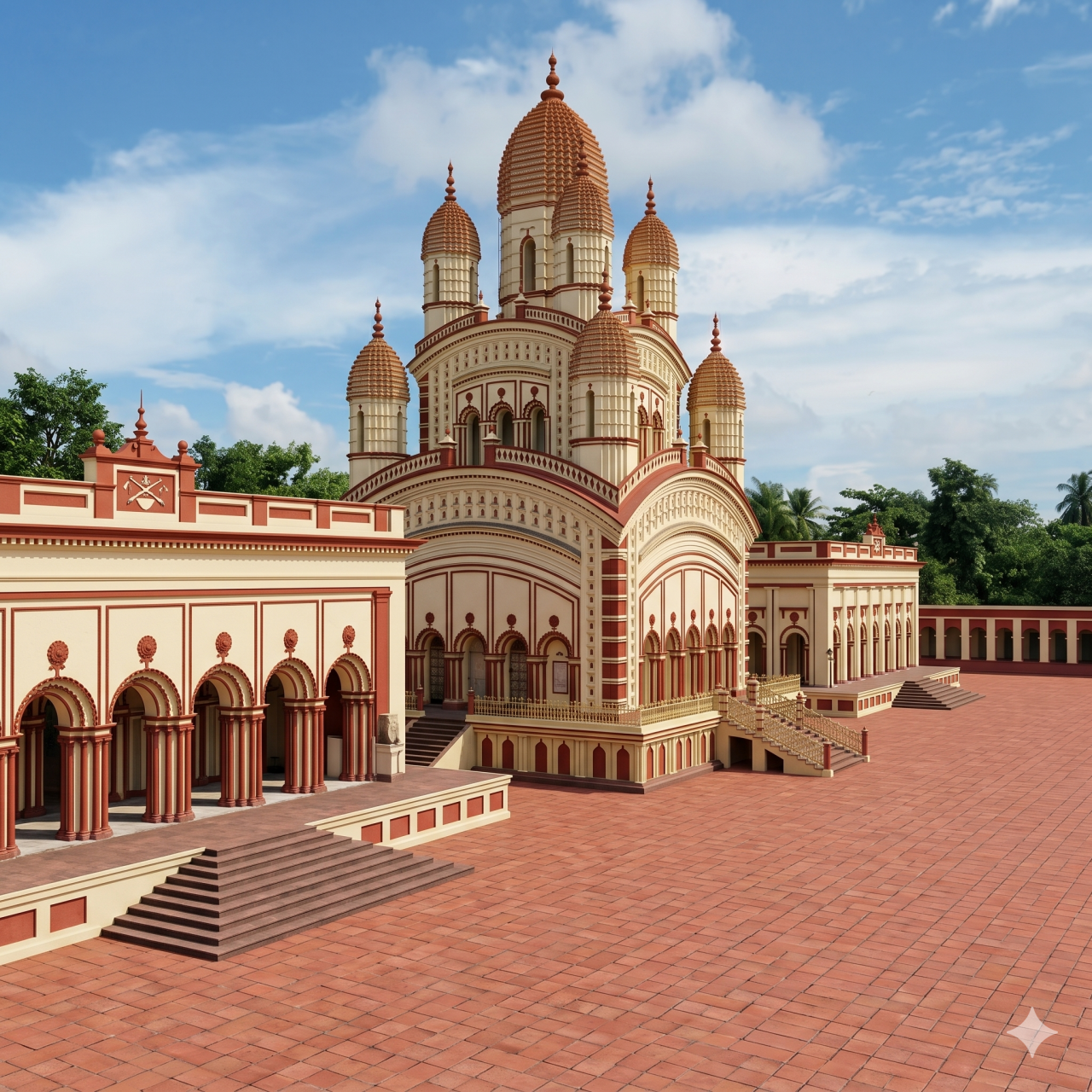
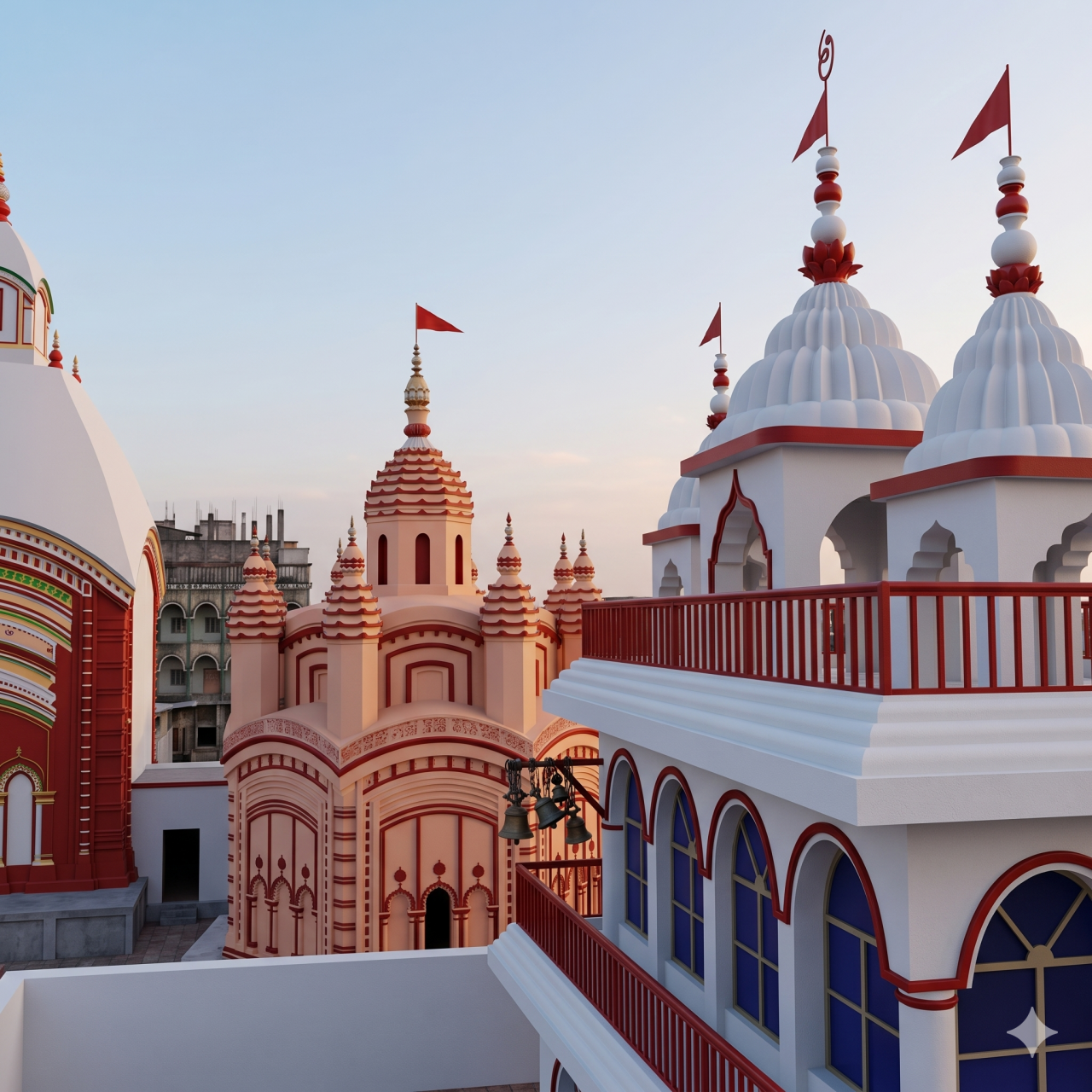
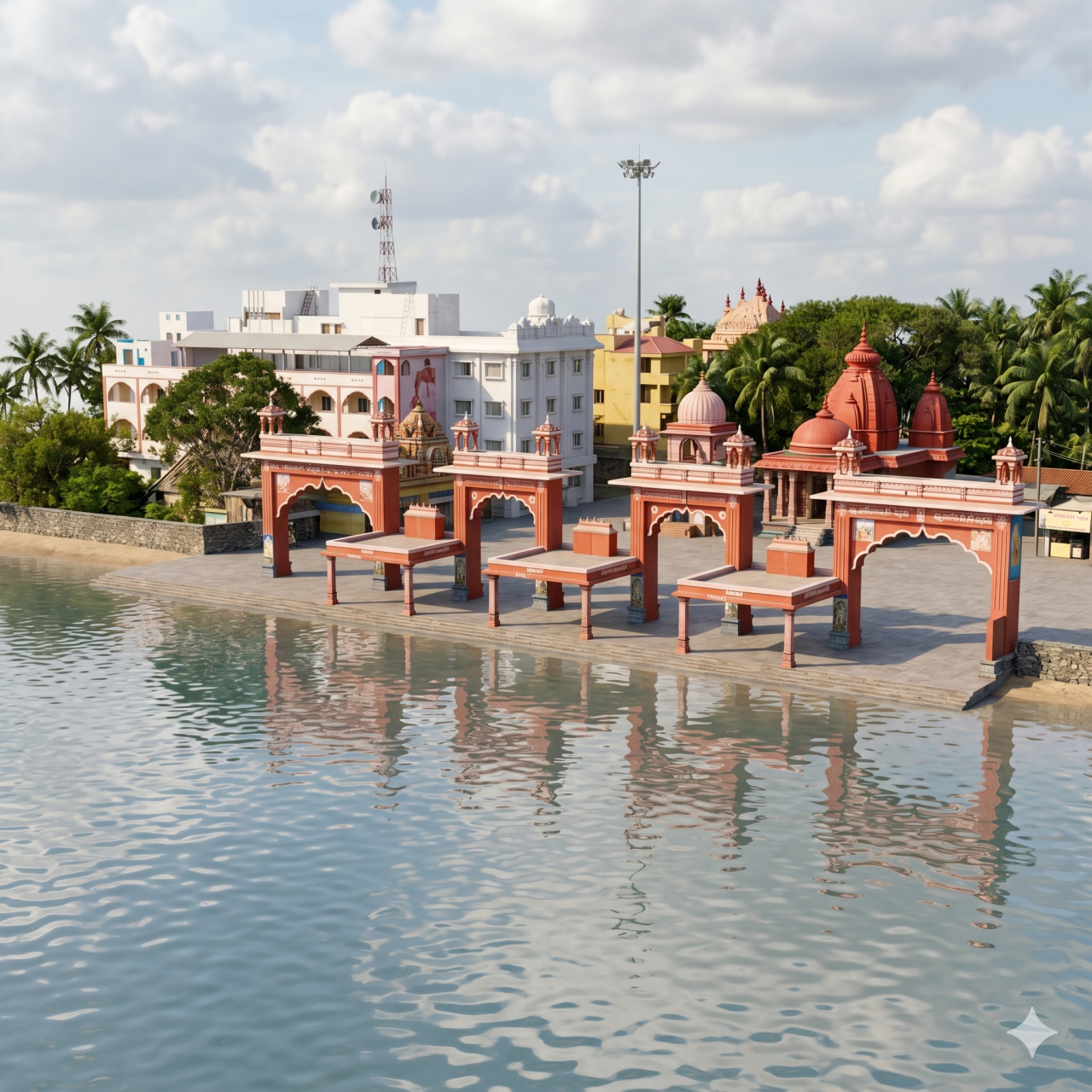
Dakshineswar Kali Temple is a prominent 19th-century Hindu temple complex located on the eastern bank of the Hooghly River in Kolkata, West Bengal, India. Dedicated to goddess Bhavatarini Kali, a form of Kali, it is renowned for its association with the mystic saint Ramakrishna Paramahamsa and remains a major pilgrimage and cultural landmark of Bengal.
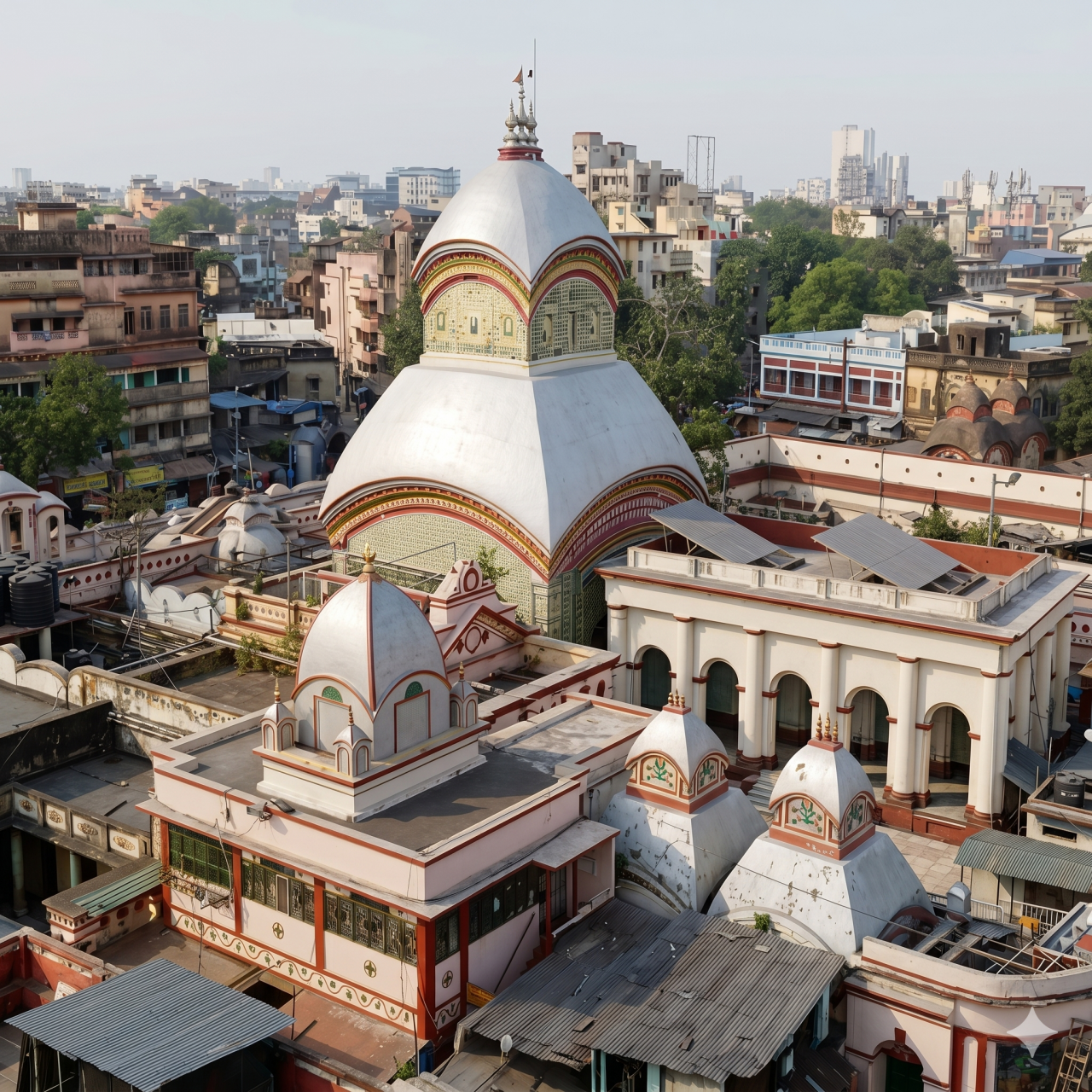
Kalighat Kali Temple is a major Hindu pilgrimage site in Kolkata, West Bengal, India, dedicated to the goddess Kali. It is one of the 51 Shakti Peethas, revered as places where parts of the goddess Sati are believed to have fallen to Earth. The temple’s intense devotional atmosphere and central role in Bengali spirituality make it a cultural and religious landmark.
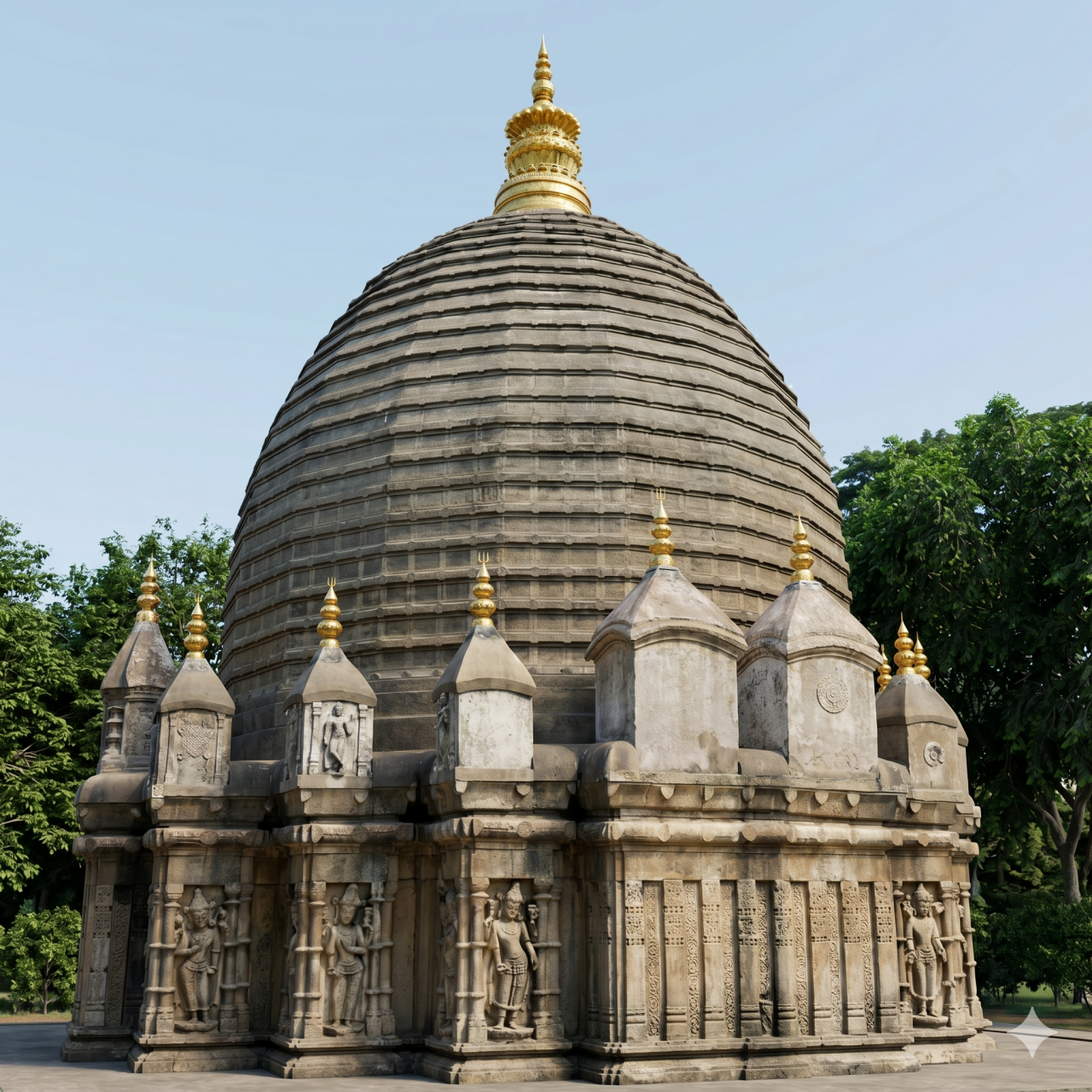
Kamakhya Temple is a major Hindu pilgrimage site located on Nilachal Hill in Guwahati. Dedicated to the goddess Kamakhya, a form of Shakti, it is one of the most revered Shakti Peethas in India. The temple is a key center of Tantric worship and attracts thousands of devotees, especially during the Ambubachi Mela.
Tarapith Temple is a prominent Hindu pilgrimage site in Birbhum district, West Bengal, India, dedicated to Goddess Tara, a form of the Divine Mother in Shaktism. Renowned for its tantric associations, it attracts devotees seeking spiritual blessings and esoteric knowledge.
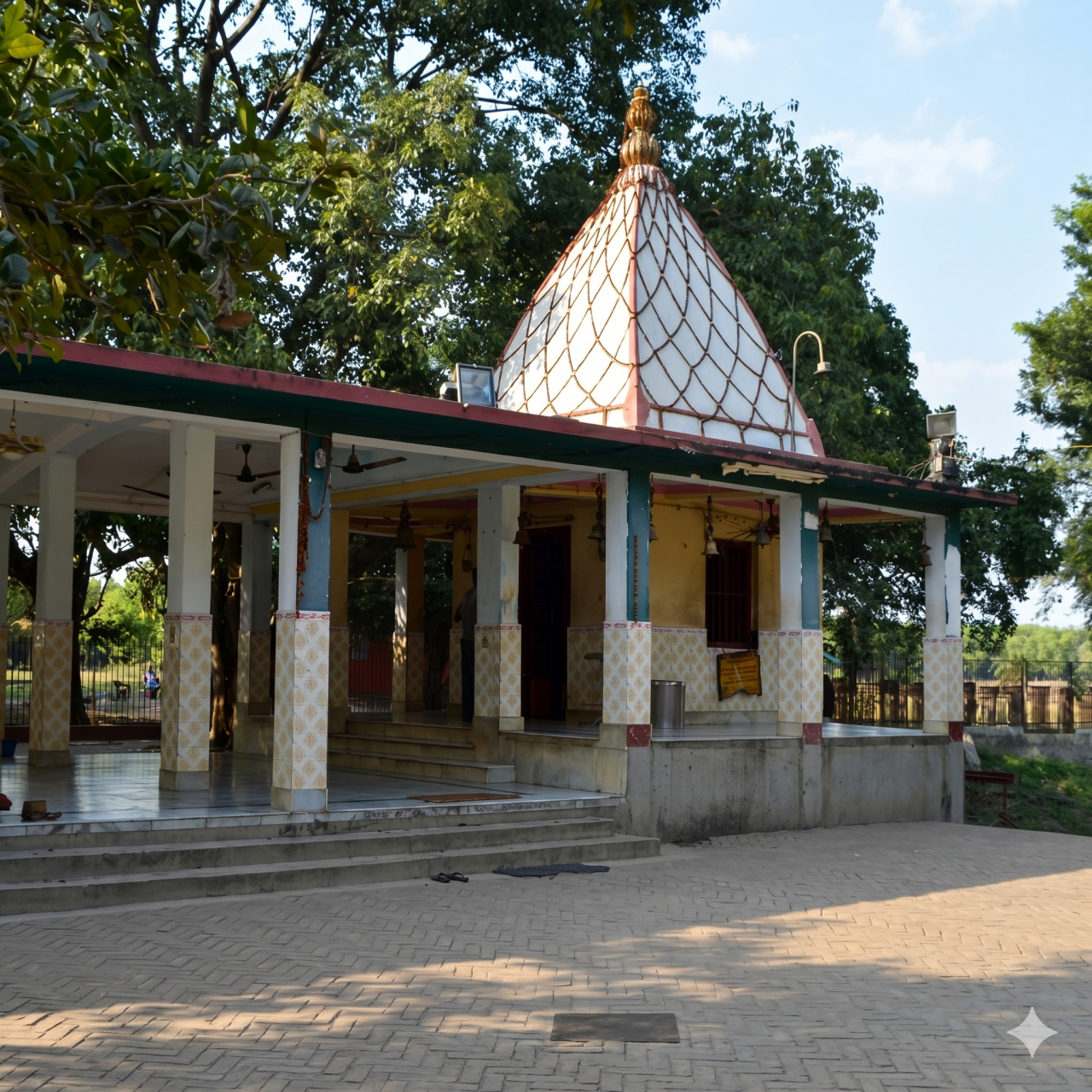
Kankalitala Temple is a revered Hindu pilgrimage site located near Bolpur in Birbhum district, West Bengal, India. It is one of the 51 Shakti Peetha, places where the goddess Sati’s body parts are believed to have fallen according to Hindu mythology, making it a major center of Shaktism.
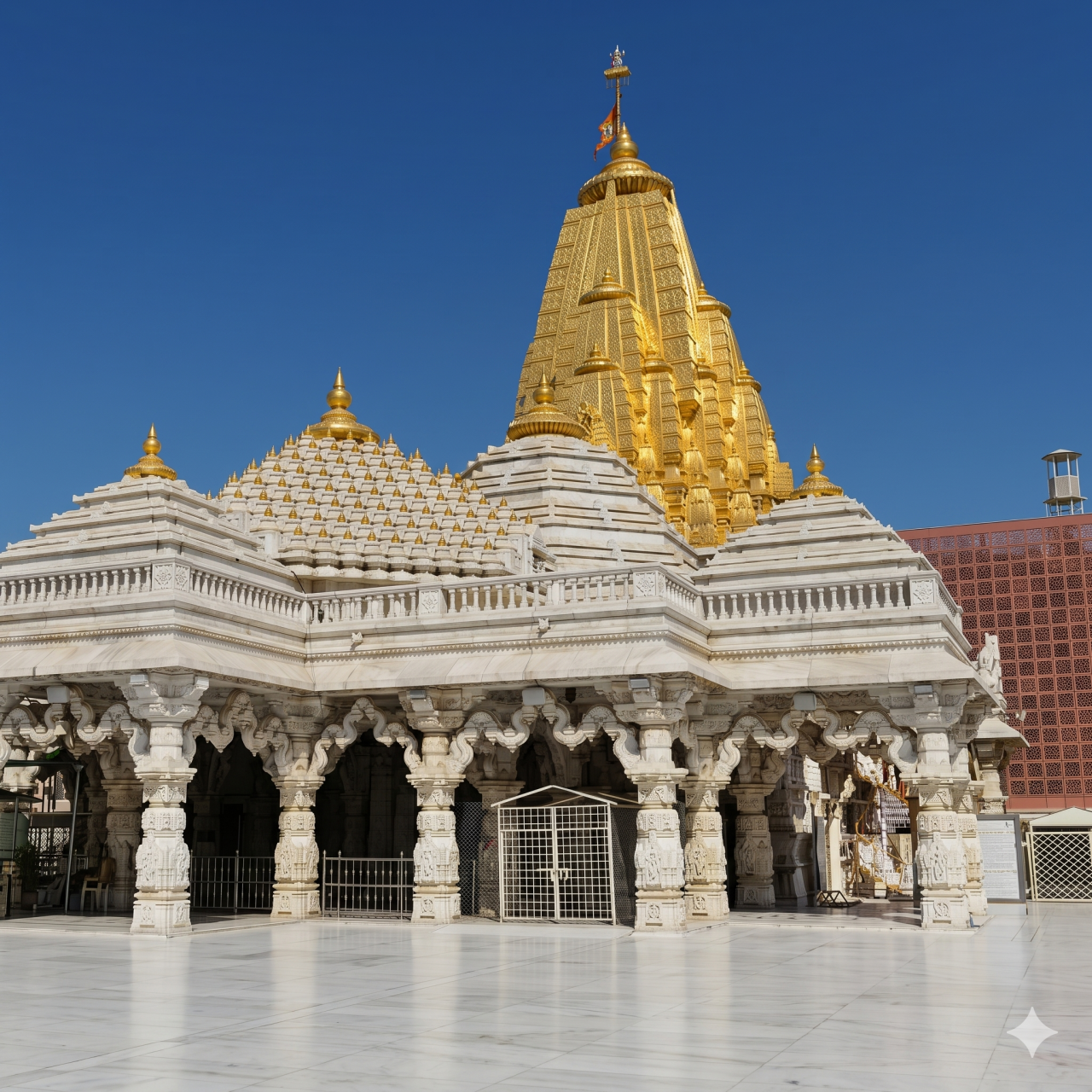
Ambaji Temple is a revered Hindu pilgrimage site located in Banaskantha district, Gujarat, India. Dedicated to Goddess Amba, it is one of the 51 Shakti Peethas—sacred places where parts of Goddess Sati are believed to have fallen. The temple is a major spiritual destination in western India, drawing millions of devotees annually.
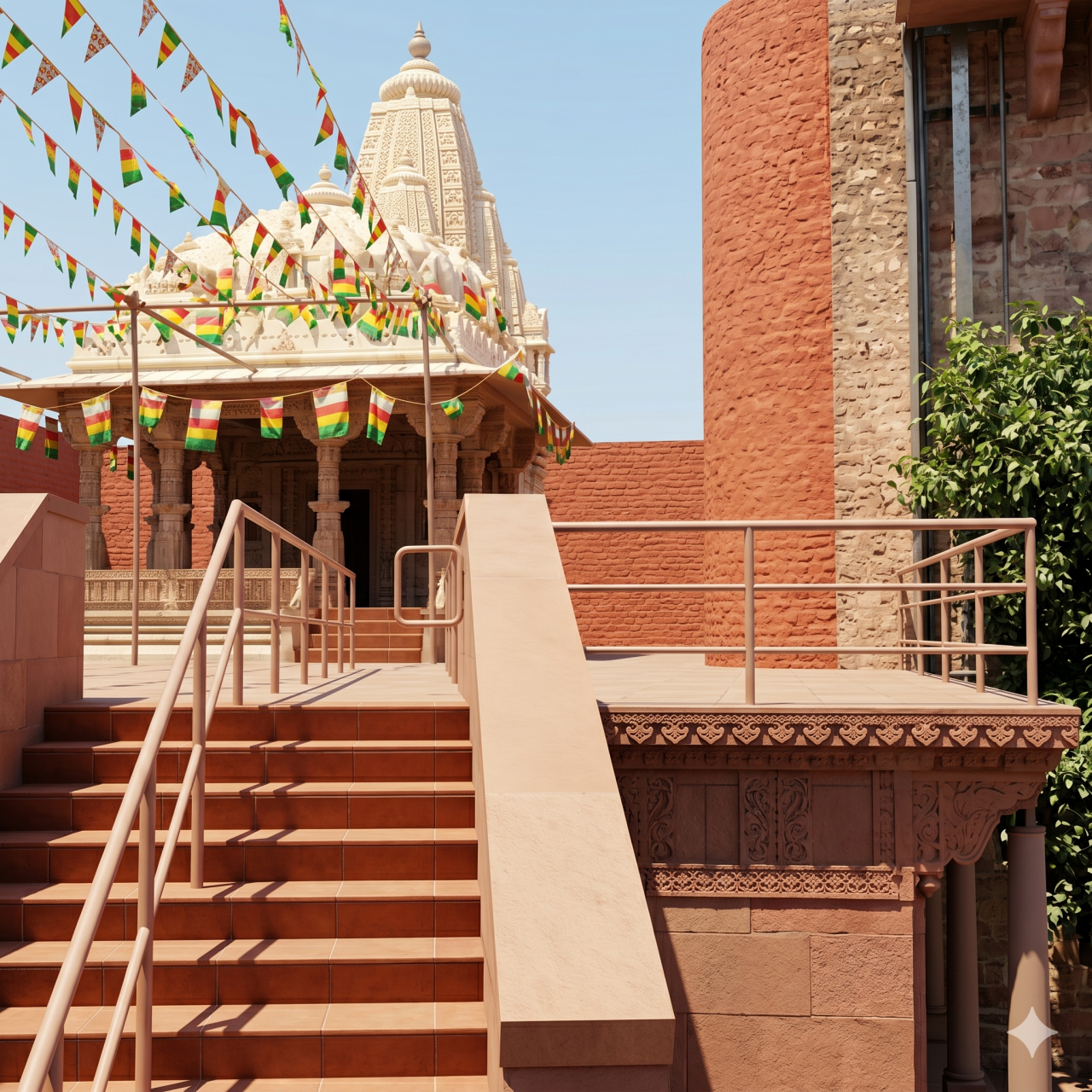
Chamunda Mata Temple is a revered Hindu shrine located within the fortifications of Mehrangarh Fort in Jodhpur, Rajasthan, India. Dedicated to Goddess Chamunda Devi, a fearsome aspect of Durga, it serves as a guardian deity for the royal family of Marwar Kingdom and a spiritual focal point for the city’s residents.
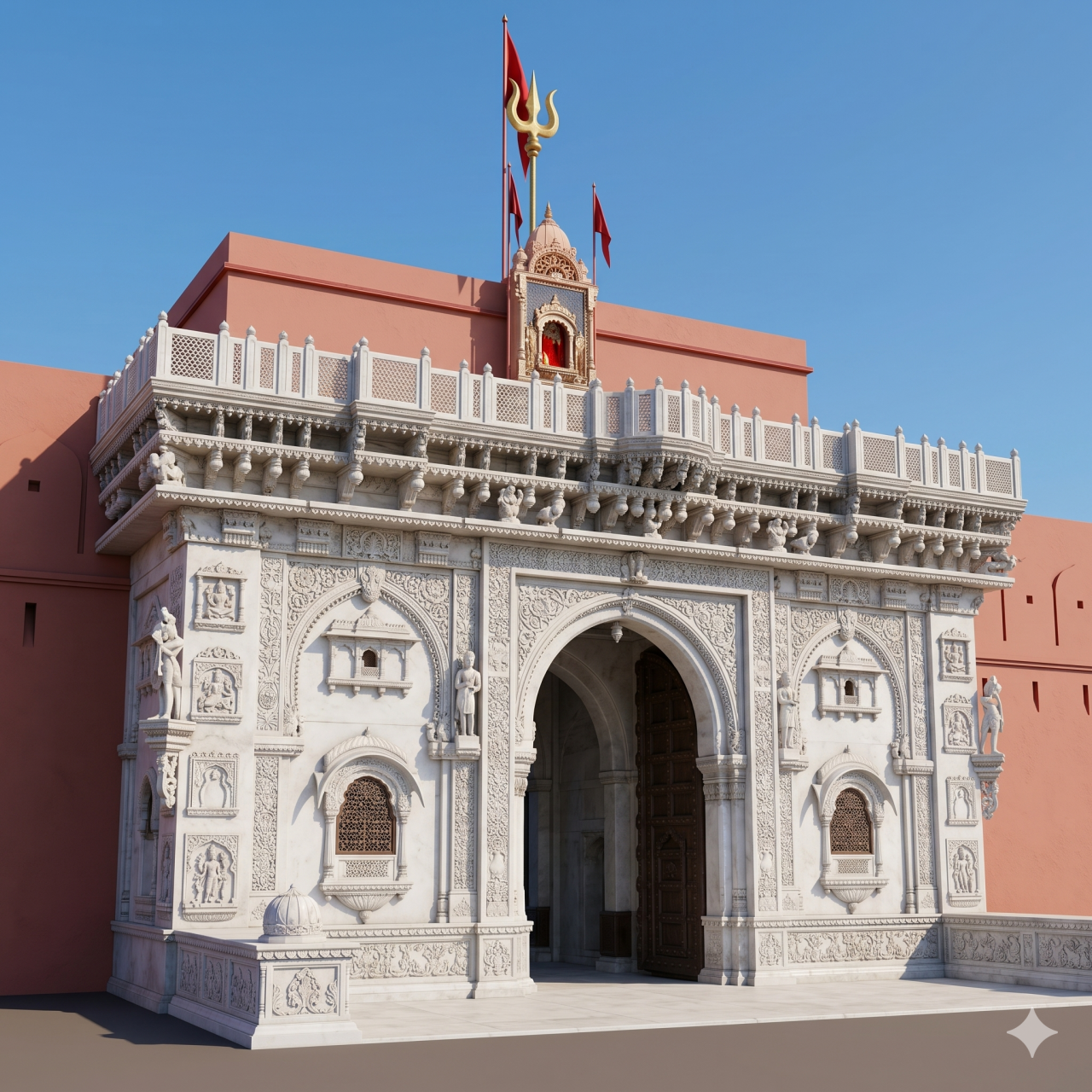
The Karni Mata Temple in Deshnoke, Rajasthan, India, is a Hindu pilgrimage site dedicated to the sage and deity Karni Mata, revered as an incarnation of the goddess Durga. It is famous worldwide for its population of sacred rats, known as kabbas, which devotees worship and protect as manifestations of Karni Mata’s devotees.
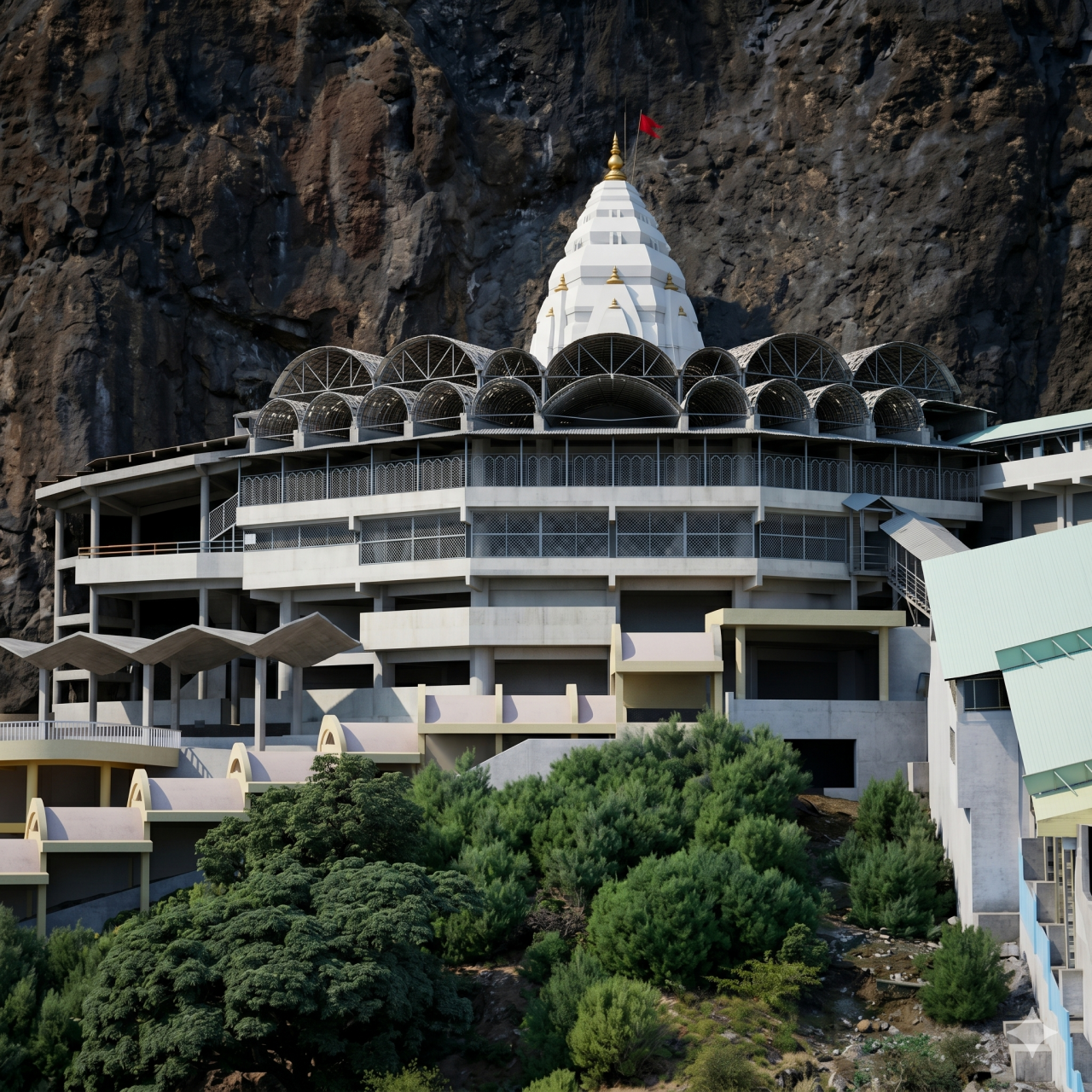
Saptashrungi Temple is a revered Hindu pilgrimage site located near Vani in the Nashik district of Maharashtra, India. Dedicated to the goddess Saptashrungi Nivasini, an embodiment of the Devi revered in the Devi Mahatmya, the temple is one of the region’s most important Shakti Peethas attracting devotees year-round.
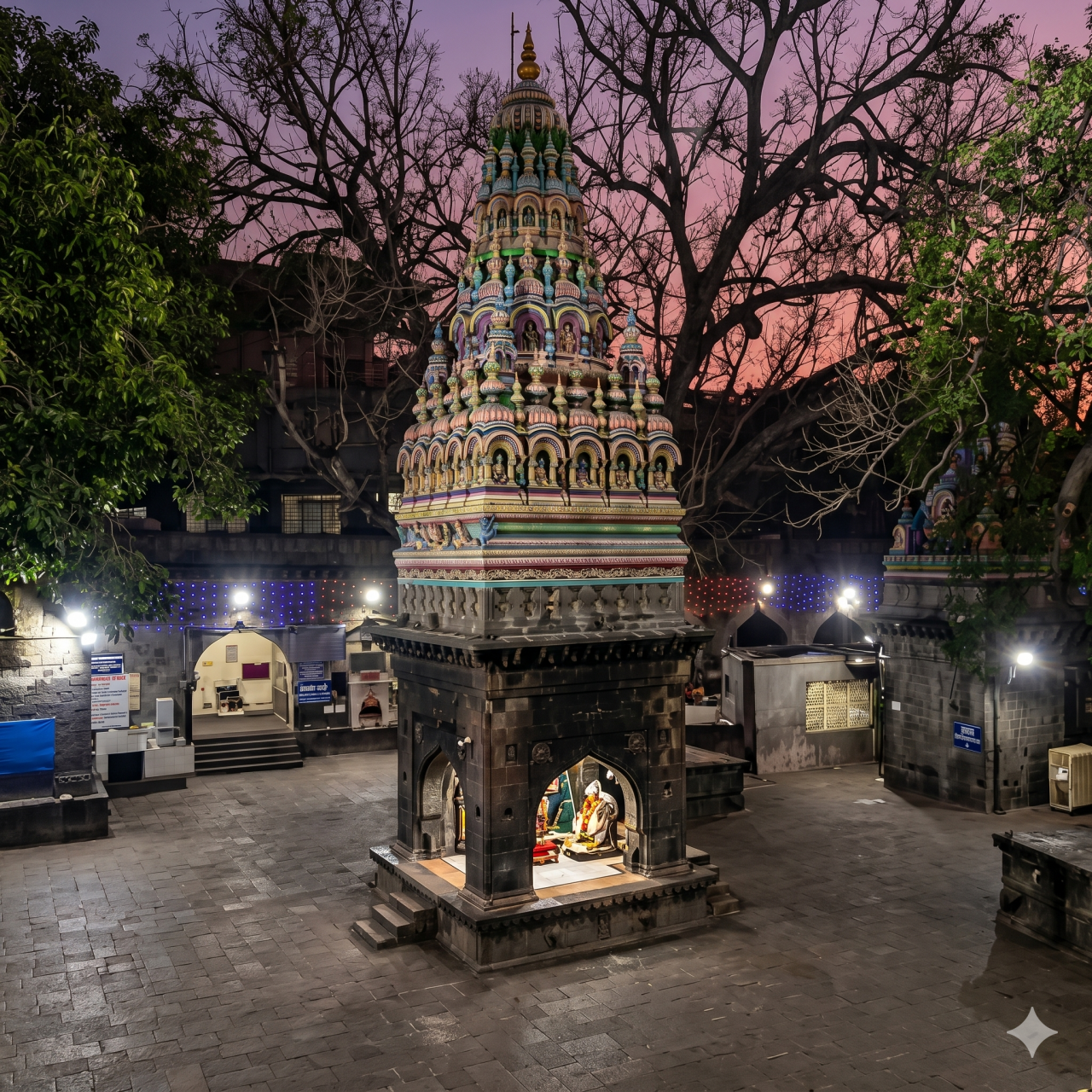
The Tulja Bhavani Temple in Tuljapur, Maharashtra, India, is a revered Hindu pilgrimage site dedicated to Goddess Bhavani, an incarnation of Parvati. It holds immense significance in Maharashtra’s spiritual and cultural heritage, attracting millions of devotees, especially followers of the goddess’s warrior aspect.
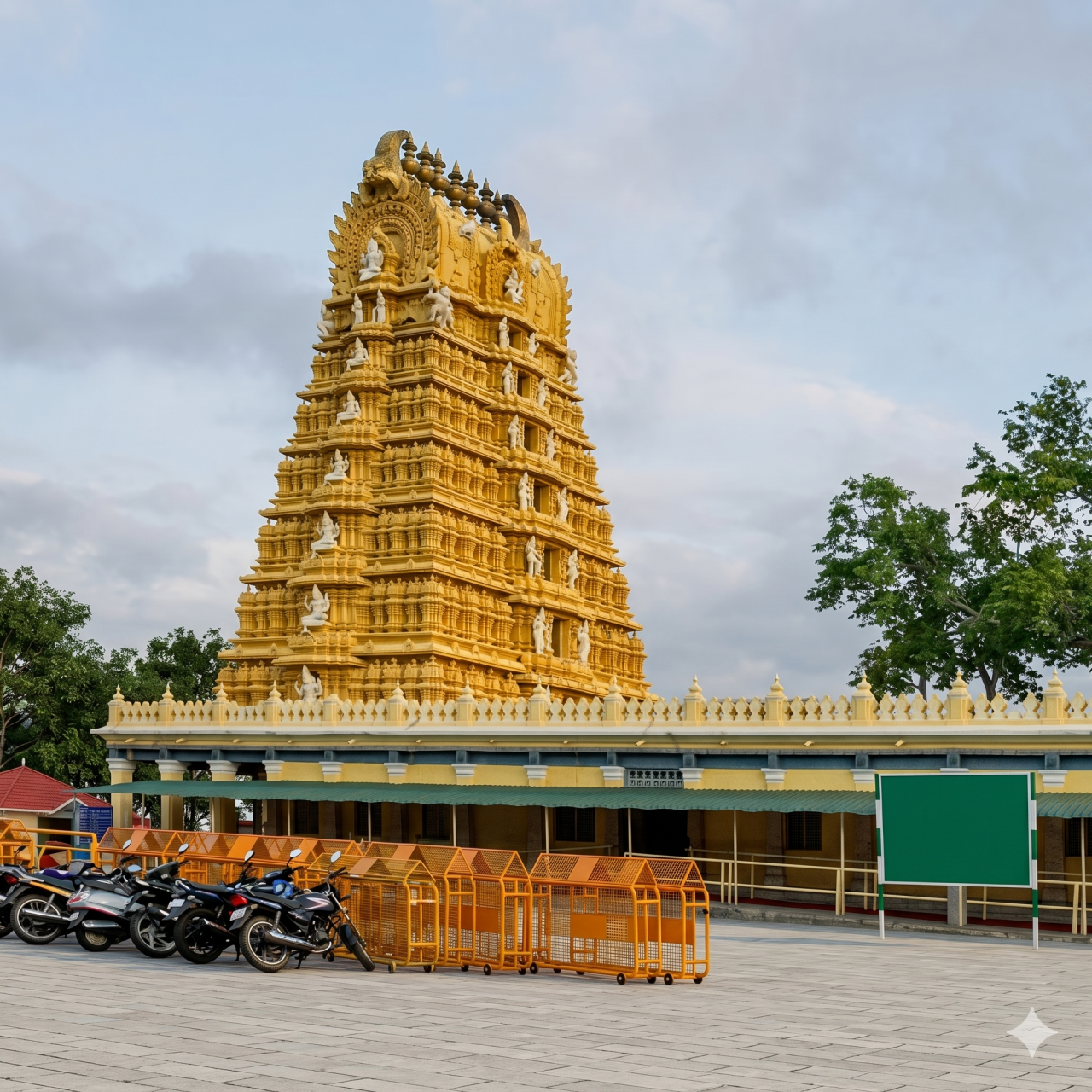
Chamundeshwari Temple is a historic Hindu shrine situated atop Chamundi Hill in Mysuru. Dedicated to Goddess Chamundeshwari, a fierce form of Durga, it is a significant center of Shakti worship and a defining landmark of Mysuru’s spiritual and cultural identity.
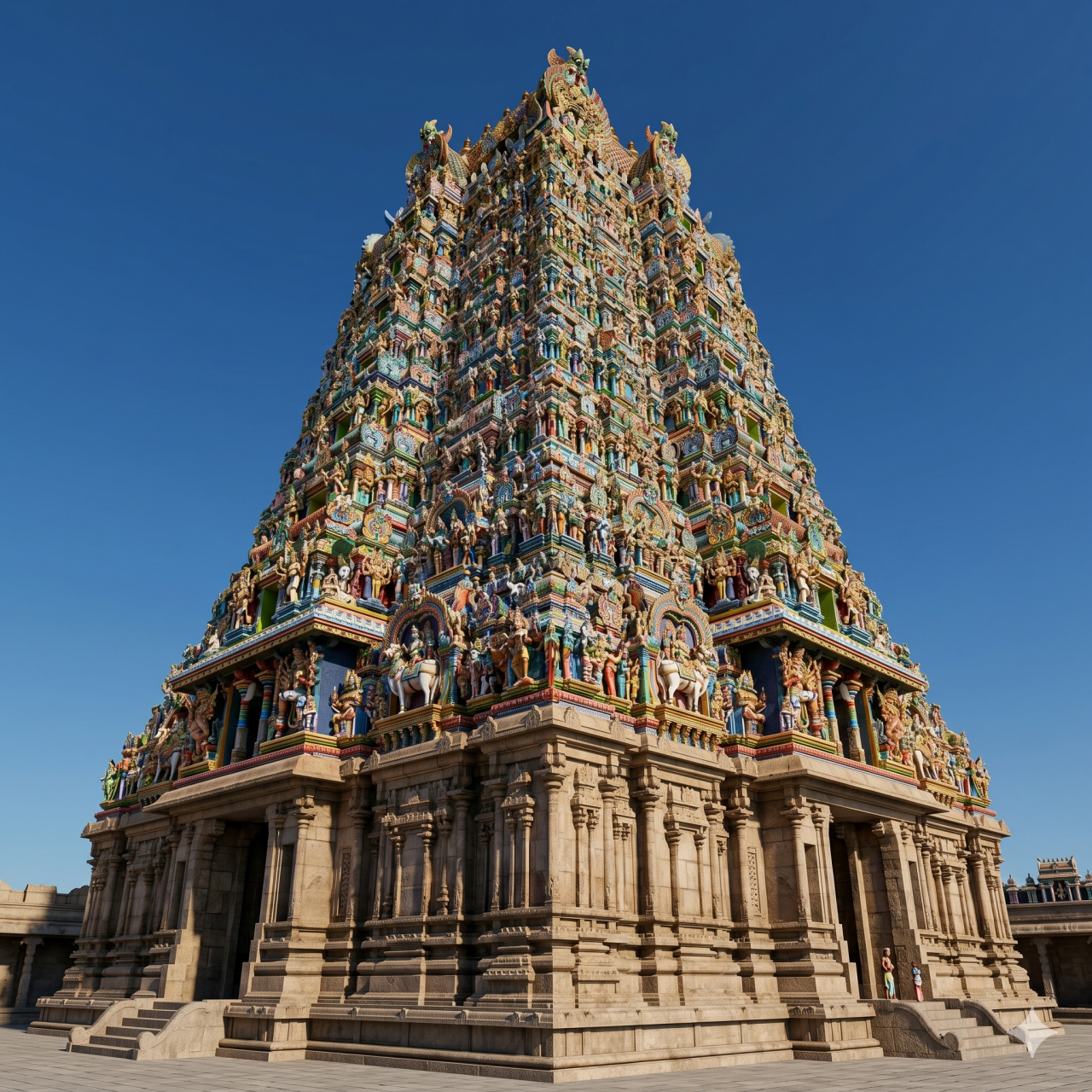
The Meenakshi Amman Temple is a historic Hindu temple complex located in Madurai, Tamil Nadu, India. Dedicated to Goddess Meenakshi (a form of Parvati) and her consort Sundareswarar (Shiva), it is one of South India’s most significant pilgrimage sites and an outstanding example of Dravidian temple architecture.
Kanyakumari Temple, also known as the Kumari Amman Temple or Bhagavathi Amman Temple, is a revered Hindu shrine located at the southernmost tip of mainland India in Kanyakumari, Tamil Nadu. Dedicated to the virgin goddess Devi Kanya Kumari, it is a significant Shakti Peetha and an important pilgrimage site drawing devotees from across India.
The Attukal Bhagavathy Temple is a renowned Hindu shrine dedicated to Goddess Bhagavathy (an incarnation of Parashakti) located in Thiruvananthapuram, Kerala, India. It is celebrated for the annual Attukal Pongala festival, which holds a Guinness World Record for the largest gathering of women for a religious event.
The Kanaka Durga Temple is a prominent Hindu shrine located atop the Indrakeeladri Hill on the banks of the Krishna River in Vijayawada, Andhra Pradesh, India. Dedicated to Goddess Kanaka Durga, a powerful form of Goddess Durga, it is one of the most significant Shakti Peethas in South India and a major pilgrimage site, especially during the Navaratri festival.
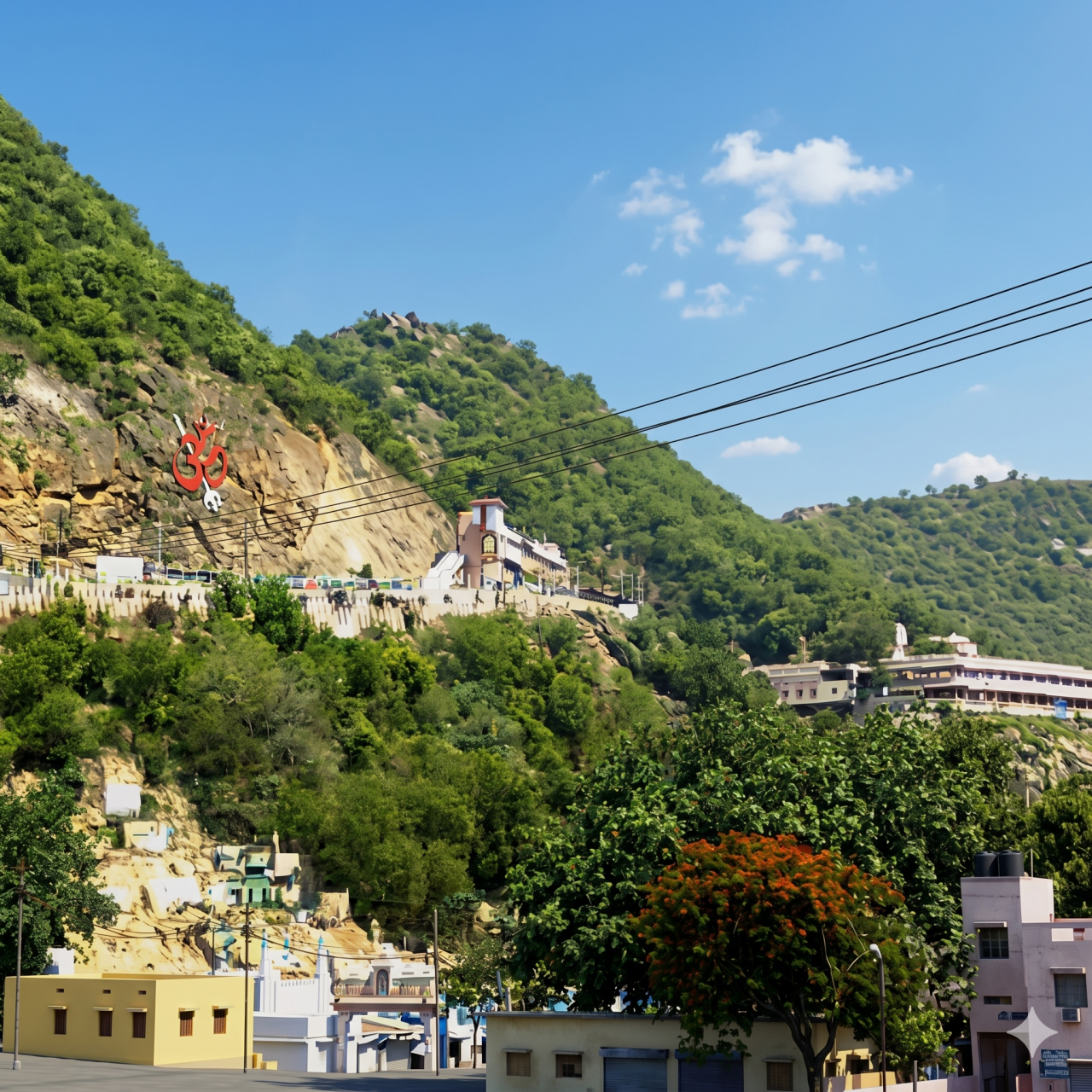
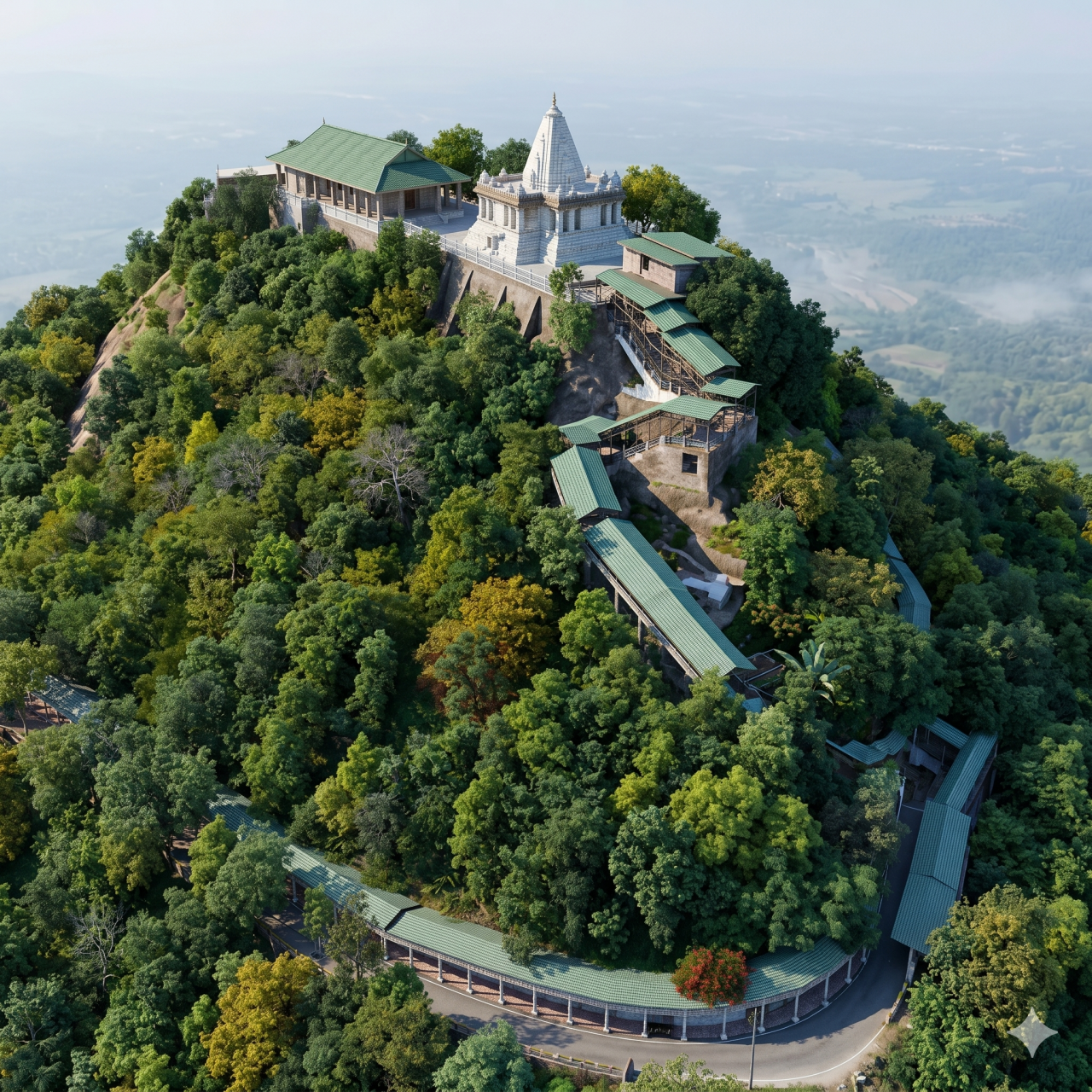
Maihar Devi Temple, also known as Maa Sharda Devi Temple, is a prominent Hindu pilgrimage site located on Trikuta Hill in Maihar, Satna district, Madhya Pradesh, India. Dedicated to Goddess Sharadambika (an incarnation of Saraswati), it is revered as one of the 51 Shakti Peethas and draws millions of devotees annually.
Maa Bamleshwari Temple is a revered Hindu shrine situated atop a hill in Dongargarh, Chhattisgarh, India. Dedicated to Goddess Bamleshwari, an incarnation of Goddess Durga, it is a major pilgrimage site in the region, attracting devotees especially during Navratri festivals for its spiritual and scenic significance.
Vindhyavasini Devi Temple is a revered Hindu pilgrimage site located in Vindhyachal, on the banks of the Ganges River. Dedicated to Goddess Vindhyavasini, an incarnation of Durga, it is among India’s most prominent Shakti Peeths, drawing millions of devotees each year seeking divine blessings and fulfillment of wishes.
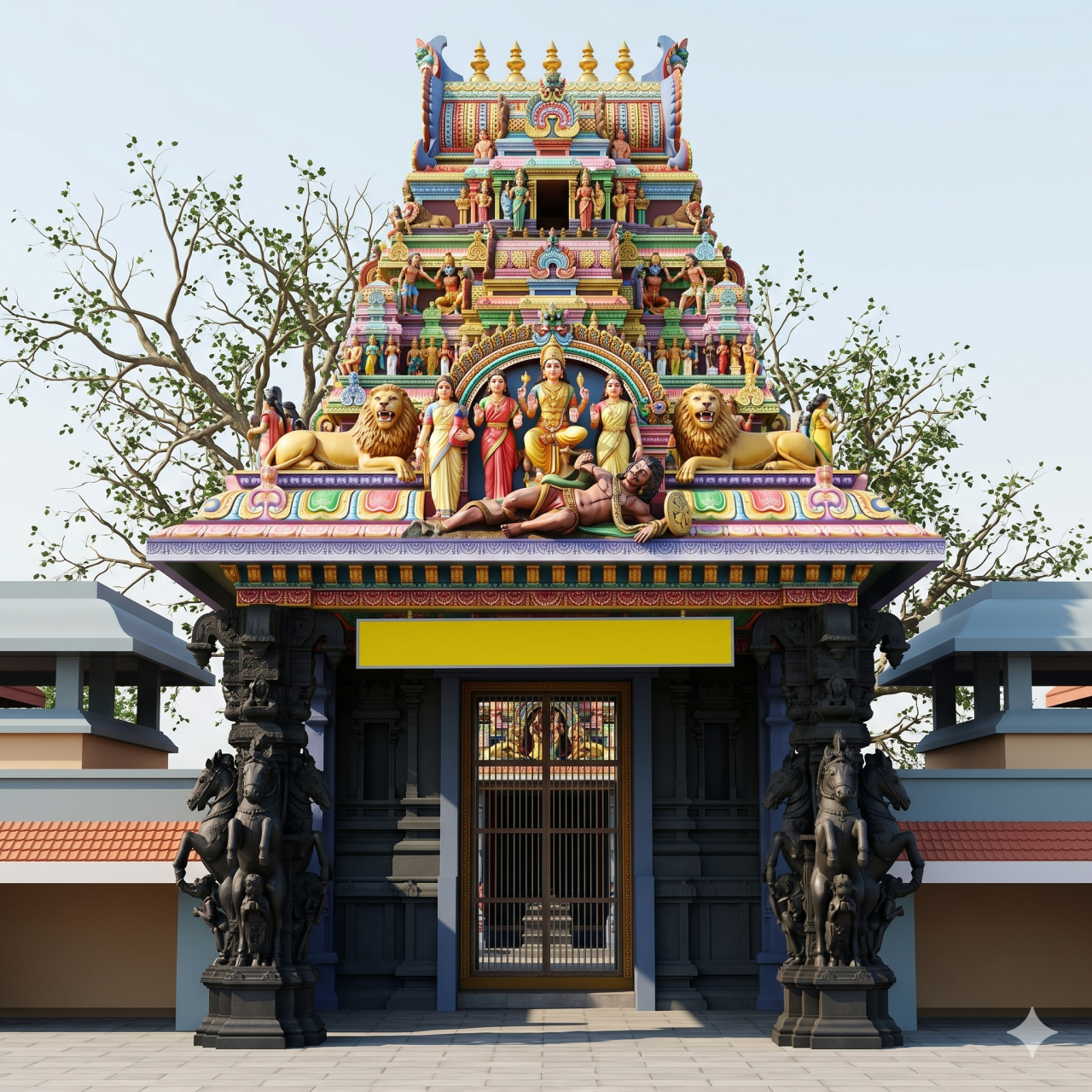
The Sheetla Mata Temple in Gurugram, Haryana, India, is a revered Hindu shrine dedicated to Goddess Sheetla Devi—believed to embody healing and protection against diseases. A major pilgrimage site in North India, it attracts devotees year-round, especially during spring festivals.
Harsiddhi Temple, located near Rudra Sagar Lake in Ujjain, Madhya Pradesh, is one of India’s 51 revered Shakti Peethas, dedicated to Goddess Harsiddhi—an incarnation of Goddess Durga or Annapurna. It is among Ujjain’s most sacred sites, celebrated for its deep spiritual significance, distinctive Maratha-era architecture, and vibrant Navratri festivities.